
Featured
Posted in Travel

Souvenirs: Echoes of Moments Lived

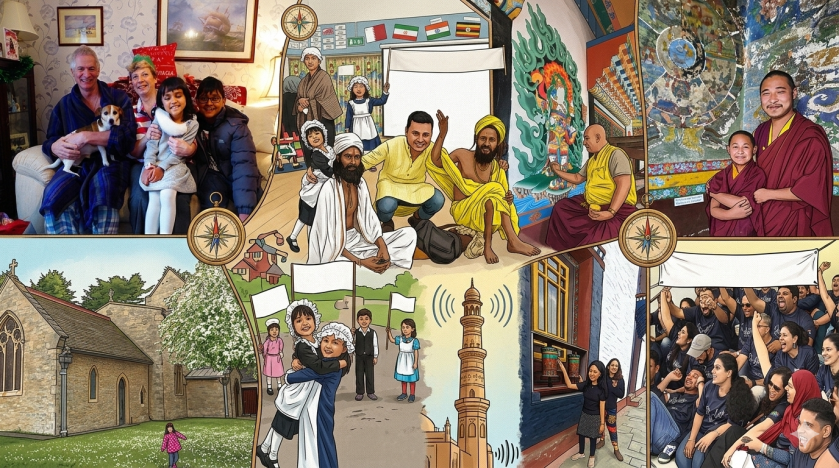
There is a glass door cabinet in our living room which is home to all the souvenirs that became part of us after each travel. Each time I pass by hurrying with day to day errands, it’s a gentle reminder to pause and to savour back in time a certain moment of time and space . There are stories around them, whispers of past journeys. The cabinet feels like a portal to cherished memories, holding whispers of our adventures.

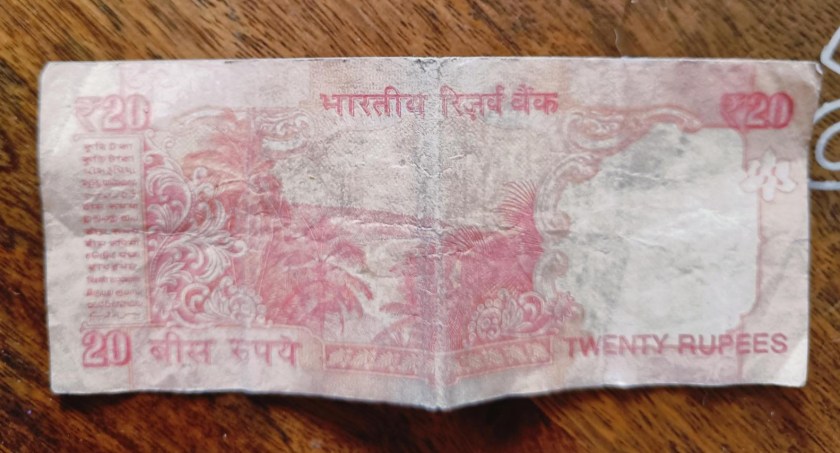
A 20 Rupee Note from Andamans: What Makes This Old, Worn-Out Note So Special?

The reverse side of the 20 Rupee note features a stunning depiction of the picturesque Andaman Islands—a fact many may know. But the magic lies in how this particular note came into our hands. While Rishon was swimming at one of the serene Andaman beaches, he stumbled upon this drenched currency note, intact despite its journey through the ocean waves.

It felt like a perfect gift from Mother Ocean, delivered amidst the soft hues of an evening twilight. This simple note, now a cherished keepsake, holds a deeper meaning for us. It’s a constant reminder of that blissful evening in the middle of the ocean—a moment of pure serenity and connection with nature’s beauty.

Pebbles from the Jurassic Coast Walk, UK

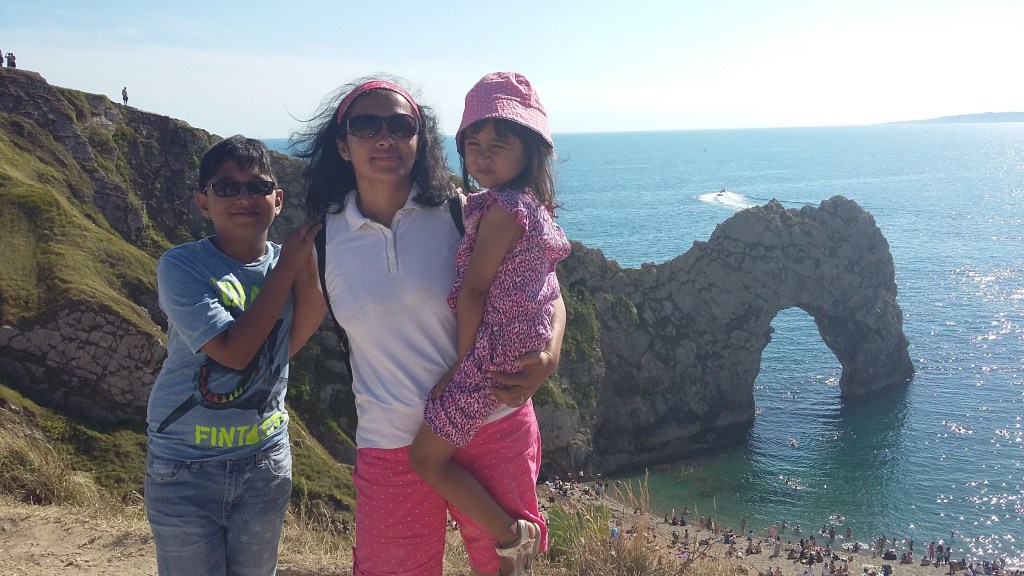
One of my most cherished experiences was walking along the southwest coastline for eight long hours with two little kids. We kept motivating ourselves with promises of soft serves at every milestone, all while soaking in the breath taking coastal views from the cliffs. Time seemed to slip away as we trudged along, exhausted yet utterly mesmerized. I fondly recall collecting pebbles from the shore, the coolness of the water against my fingers. Sanju surprised me with two special pebbles, and in that fleeting moment, those pebbles meant the world to me.

Whispering Tibetan Flag, Sikkim

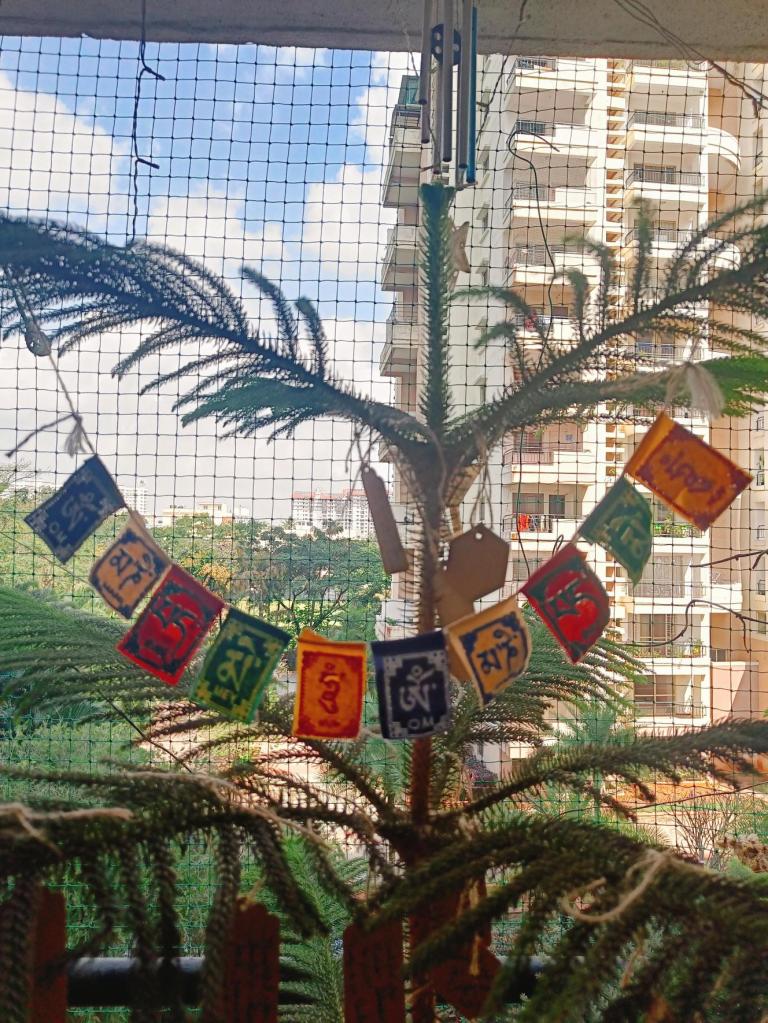
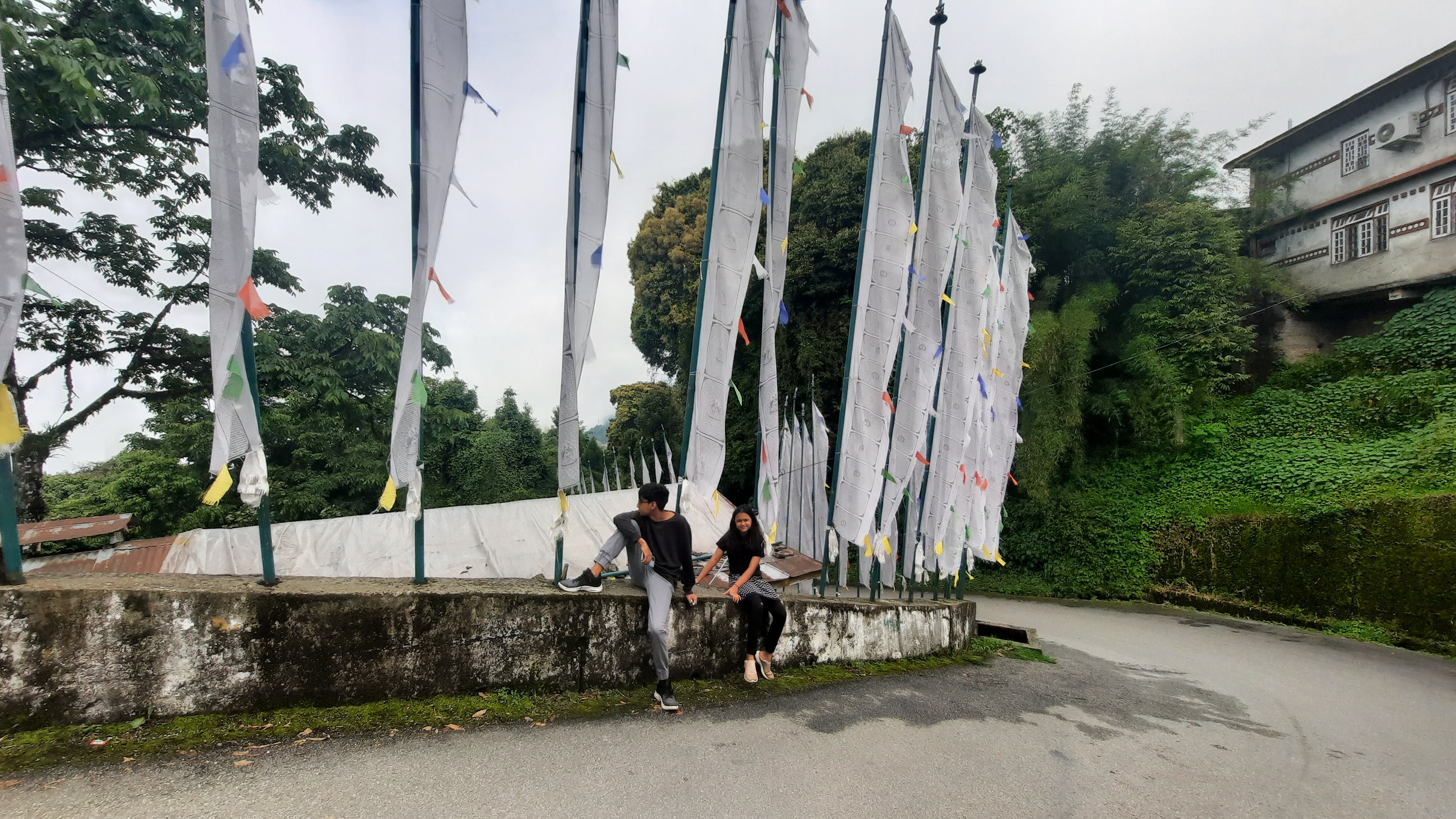
Among the souvenirs in our glass-door cabinet is a Tibetan flag from Sikkim—a seemingly cliché keepsake often seen fluttering on bikes or cars. Yet, it holds a quiet magic. In Sikkim, we were captivated by the countless prayer flags lining the roads, some pure white, others vibrant with colors. Each flag carries a purpose—some are prayers for loved ones who have passed, others spread goodwill and compassion

It’s believed that as the wind passes over these flags, carrying the sacred mantras written on them, the air itself is purified and blessed. Even the faintest breeze sets them in motion, whispering ancient prayers into the vast expanse of space.

There’s something deeply poetic about it—prayers carried by the wind. And now, in our home, we have our own small Tibetan flag, gently whispering its blessings to every passing breeze.

A Scottish Pop up book, Great Glen Map, Celtic Prayer – Scotland

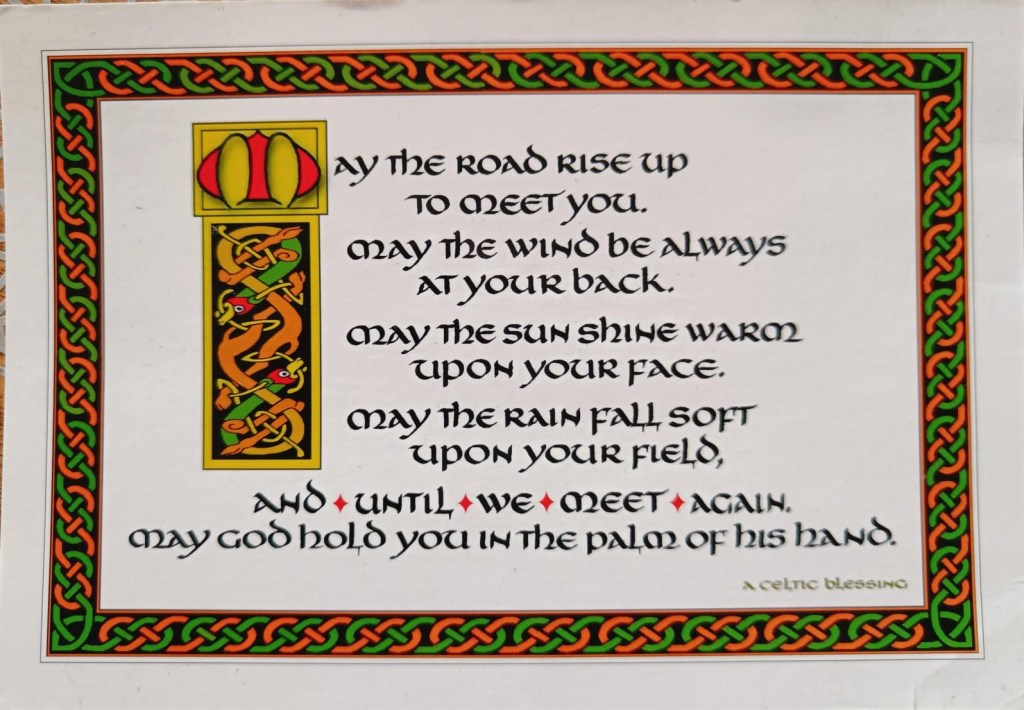
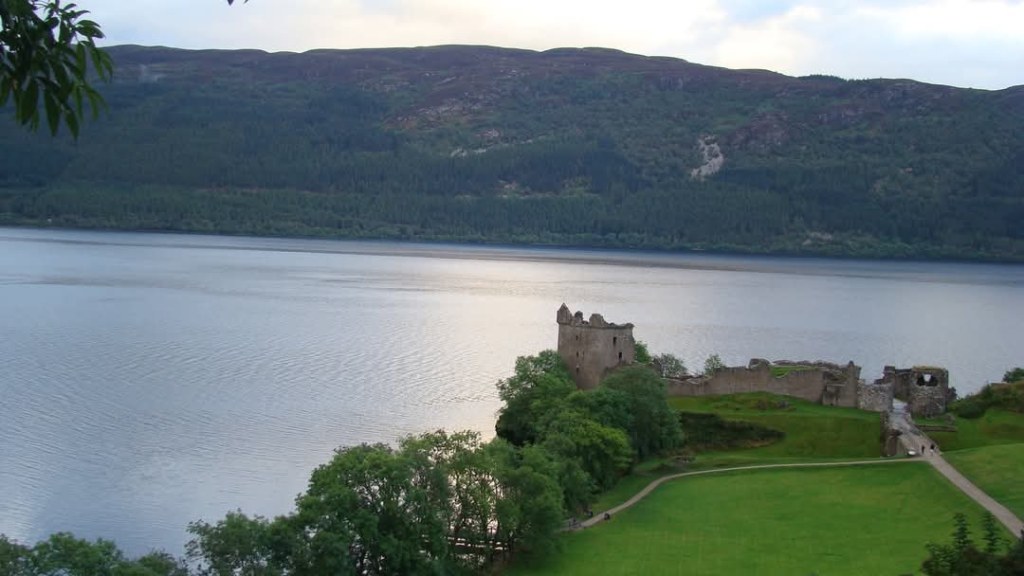
Scotland, to me, is a realm of myth and magic—a land steeped in legends and timeless tales. We brought along the story of the Loch Ness Monster, fondly known as Nessie, in the form of a pop-up book. With curious hearts, we truly searched for her along the shores of Loch Ness, but it seems she chose to remain unseen that day

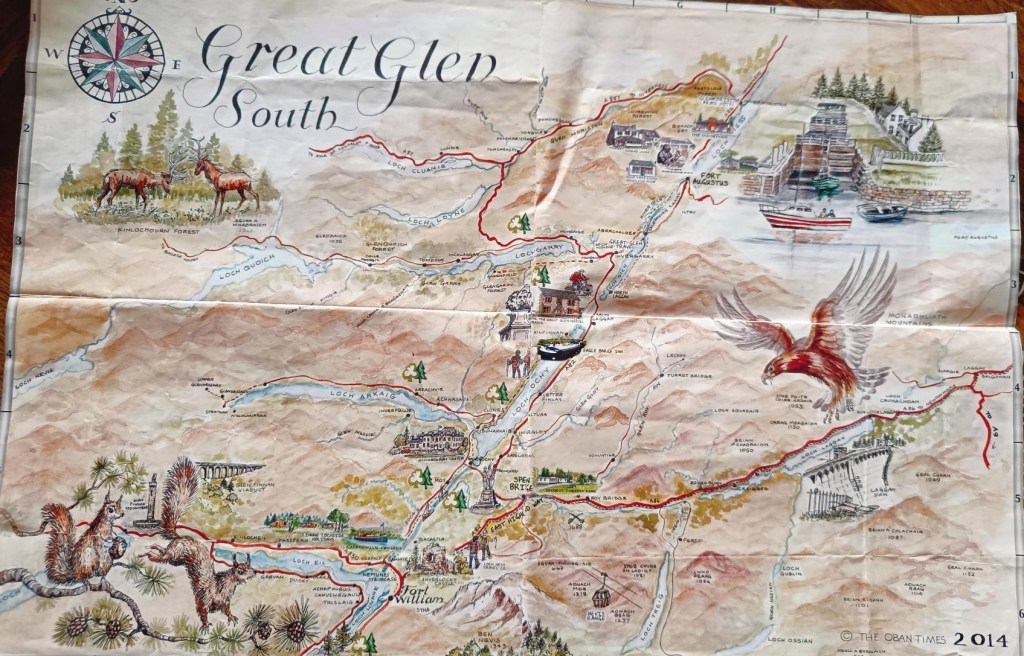
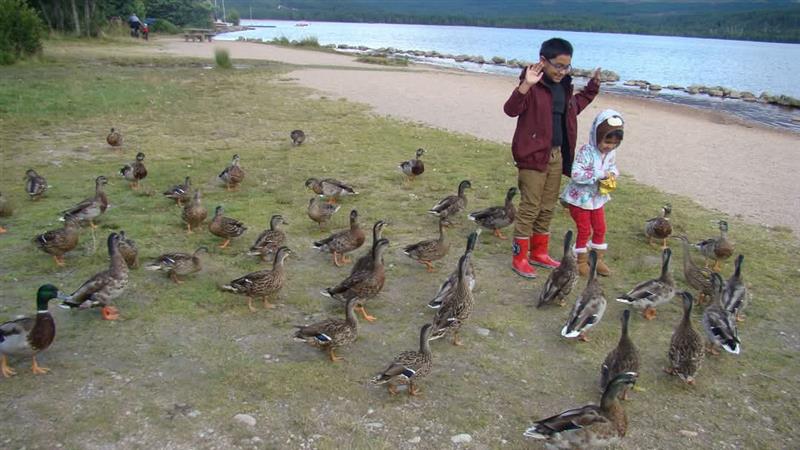
The crumpled Great Glen map we carried still brings back memories of that journey. I vividly recall the moment we stopped to feed a flock of ducks—only for one to nip Ruhie’s fingers, making her frown and exclaim, “Why are all the birds only mean to me?” Meanwhile, Rishon, in a moment of dramatic surrender, raised his hands in front of the flock, declaring he had no food to offer. It’s these little, unexpected moments that have woven themselves into the fabric of our being.

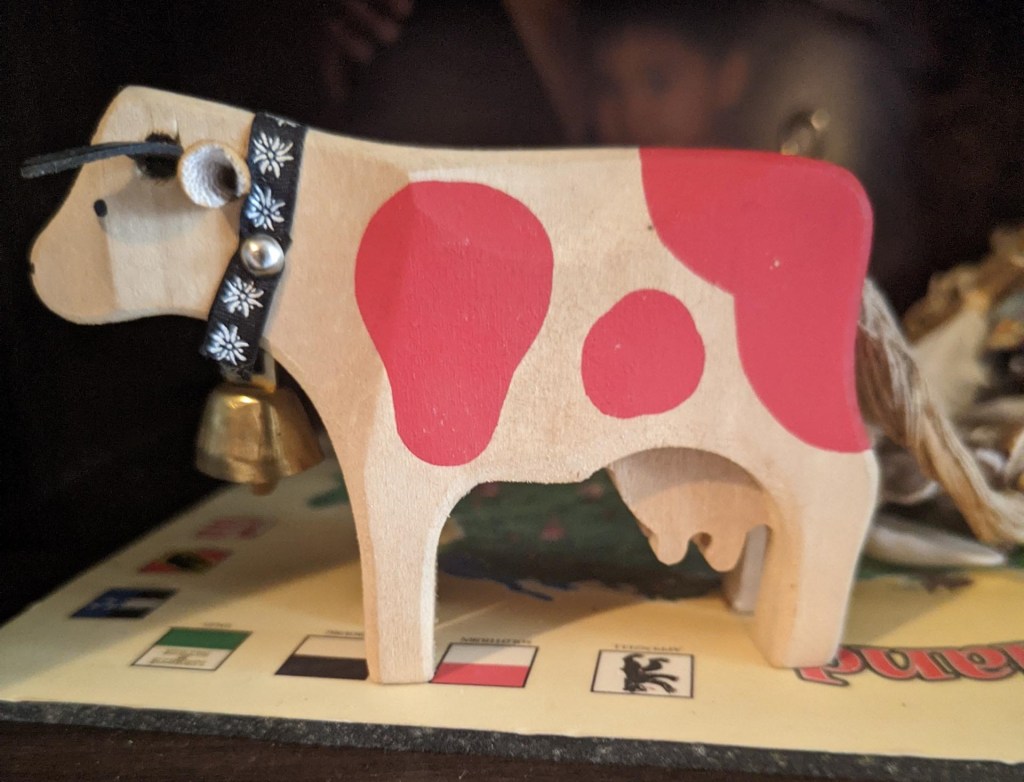
The Little Wooden Cow from Switzerland

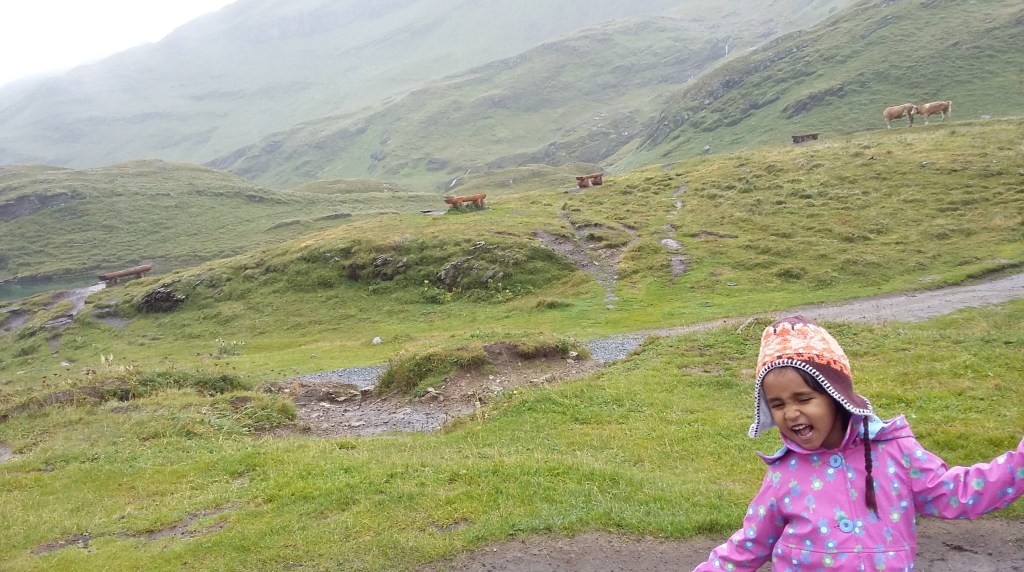
This little Swiss cow souvenir instantly takes me back to a chilly, foggy day when we decided to trek with the kids. Ruhie still needed a travel buggy since she wasn’t up for walking long distances. The thick fog made visibility poor as we moved along the trail, but after a while, we began to hear the faint, melodic clanging of cowbells in the distance.

The sound grew louder until, out of the mist, a herd of cows emerged, seemingly charging toward us. On the narrow path, we—and a few other trekkers—had no choice but to stand still and let the herd pass. It was both nerve-wracking and surreal, a moment etched forever in our memories, captured in the charm of that tiny Swiss cow.

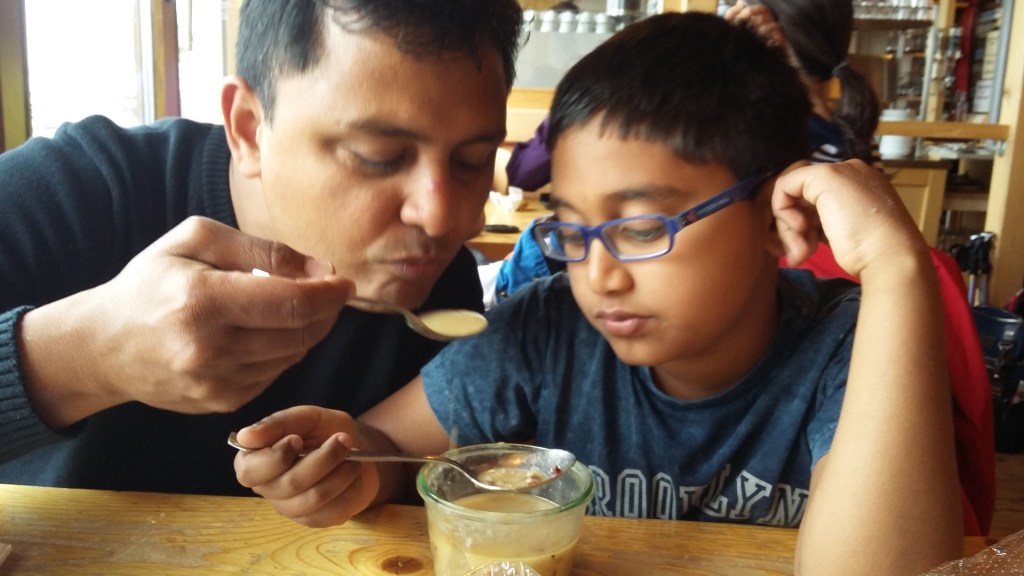
It was the day Ruhie outgrew her need for a stroller, walking with a newfound determination as if she had been doing it all along. She braved the trail with us. After the trek, sitting down to enjoy some hot soup felt like pure heaven—a simple comfort that made the day even more memorable.

These memories are like the mantras on the Tibetan flag, softly whispering love into our souls. Yet, just as the ink on the flag fades with time, so too might these moments blur as our memory falters. Does that mean they are bound by the limits of our memory? Perhaps.

But even as the details fade, the essence of those moments—the emotions, the connections, the sheer presence of being—will linger in our consciousness. Like the wind carrying the prayers from the flag, their impact remains, woven into the fabric of who we are, long after the specifics are forgotten.

Featured
Posted in Art and Poetry

Falling into Grace

Featured
Posted in Art and Poetry

Paint your own Wide Blue Sky

Featured
Posted in Art and Poetry

Sofi-Sufi

Posted in Thoughts

Echoes of Eko: The Fine Line Between Safety and Silence

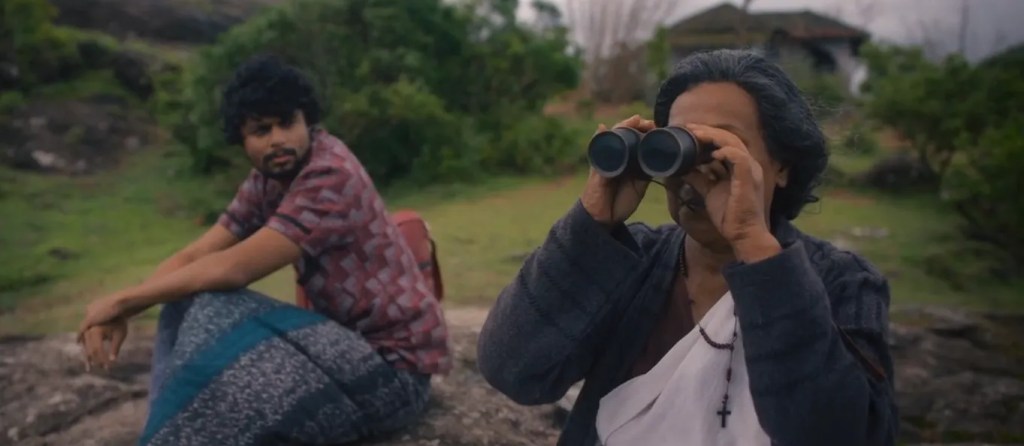
I recently watched the movie Eko. On the surface, it’s a fictional tale set amidst the untamed, wild hills bordering Kerala and Karnataka, revolving around a set of highly trained dogs – their loyality and how they can have only one master. But like all great storytelling, the wilderness is just a backdrop for a much deeper human examination.

The entire film hinges on a single, devastating dialogue that has stayed with me long after the credits rolled:

“Sometimes, protection and restriction look the same.”

While the movie applies this to its narrative context, this core theme reflects a harsh, uncomfortable truth about our society, our history, and even the way we love. It forces us to ask: At what point does a sheltering hand become a stifling grip?

The Historical Echo of “Safety”

If we look back in time at the lives of our mothers, grandmothers, and their mothers before them, we see this dynamic played out on a grand scale.

Generations of women were undoubtedly “protected.” Yet, this protection often came at a heavy price: restriction. They were restricted from thinking autonomously, restricted from voicing their true feelings, and restricted from pursuing dreams—all often under the heavy banner of “Family Honour.” They were safe, yes, but were they free?

It’s a complex argument. Don’t women want to be protected? Of course. Everyone desires safety. But if we step aside from gender politics and look at types of energy, we see the trade-off. The “feminine” energy—the nurturer, the healer, the carer within all of us—needs a sense of safety to thrive in abundance. Perhaps our ancestors intended for the masculine to hunt and protect so the feminine could nurture.

But that ancient equation became corrupted. The protection started coming with fine print: domination, power dynamics, and control.

The Superwoman Response

Today, we see a reaction to that historical restriction. The women of today often attempt the “superwoman phenomenon”—trying to do it all, embodying both the provider and the nurturer.

They might be exhausted, stretched thin, and overwhelmed, but many prefer this exhaustion over the suffocating restrictions their previous generations endured. They would rather burn out in freedom than rust out in a cage disguised as safety.

The Fine Line: Love vs. Fear

This brings us to the crucial question: Are protection and restriction merely two sides of the same coin? Or can protection exist as a pure act of trust, creating a space where the nurtured can grow leaps and bounds?

The answer lies in the intention. It is the incredibly fine line between Care and Control.

Often, control is disguised as care. As parents, partners, or friends, we might do this unconsciously, simply repeating patterns of how we were raised. But there is a fundamental litmus test to distinguish the two:

  • The Source of Care is Love.
  • The Source of Control is Fear.

That is the vital difference.

If a mother still micromanages a married, middle-aged son or daughter in the name of “care,” it is likely not care at all. It is her own fear—fear of irrelevance, fear of the empty nest, fear of their failure—masquerading as love. Both parties might be totally unaware of this dynamics.

We see this on a macro level, too. Societally, people often support authoritarian leaders or dictators in the desperate hope of “protection,” only to realize too late that they have been restricted from freedom of expression and basic rights all along.

The Power of Unanswered Questions

The plot of the movie may have revolved around finding the character Kuriachan, but for me, the emotional essence of Eko lay in the eyes of Soya (Mlaathi Chedathi), Kuriachan’s wife. Her silent gaze seemed to hold the weight of this very paradox.

A movie has done its job when it forces you to question your own assumptions and not trying to give you the answers. Eko succeeds brilliantly here. It leaves us looking in the mirror and introspect.

Posted in Travel

Rooted Together: A Morning of Trees, History, and the Meaning of Inclusivity

Some days just unfold on their own — unplanned, unhurried, yet filled with moments that stay with you long after they end.

This one began with Annie, Vee, and me taking a morning walk through Lalbagh. The Bangalore air had that familiar softness to it, the kind that makes everything feel possible. The trees stood tall — majestic, ancient — silent witnesses to countless mornings like this one. They had seen generations pass, lovers meet, walkers reflect, runners chase time.

We found ourselves stopping to hug them — maybe to hear their heartbeat, maybe just to borrow a little of their serenity. There’s something grounding about touching something that has stood in the same place for decades, unmoved by the rush of the world.

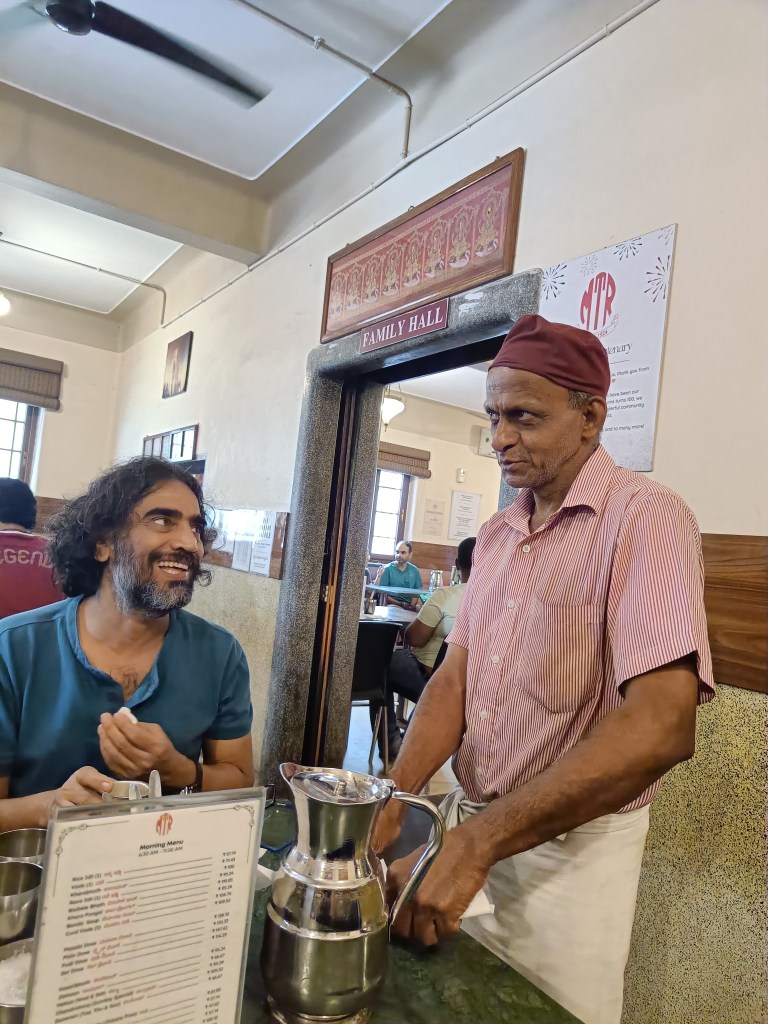
From there, we wandered to the iconic MTR near Lalbagh for breakfast — a place that feels less like a restaurant and more like a living memory. Established in 1924, MTR has watched the country transform through independence, world wars, and changing eras.

Our server that morning told us he had been working there for thirty-six years. Thirty-six years in the same place — carrying forward a legacy with quiet pride. His sense of belonging felt different from the restlessness of our gig-driven world. He wasn’t there just for a paycheck; he was part of something enduring.

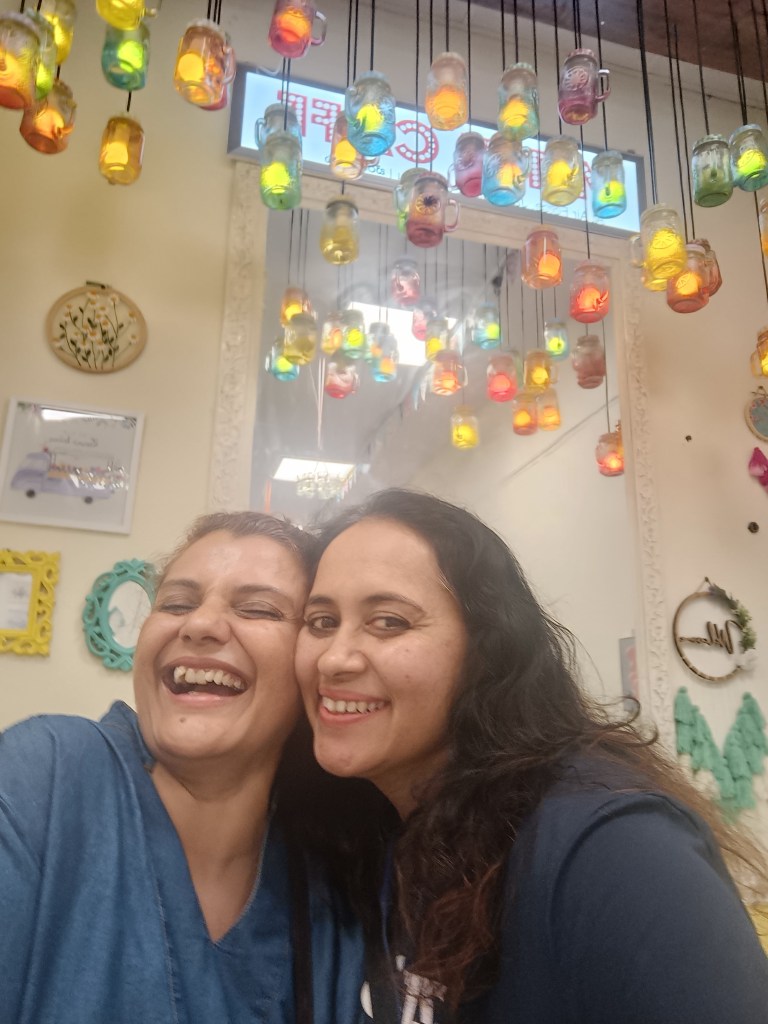
After breakfast, we took the metro to Mitti Café. The moment we stepped inside, the space embraced us — warm, alive, and full of heart. The café is run by people with special needs, and what strikes you instantly is their energy. Every person there worked with such sincerity, joy, and care — no pretense, no performance. No one needed to be “managed” or “motivated.” They were simply giving their best, with a quiet, steady happiness that felt rare and contagious.

We stayed for hours without realizing how time slipped by. The space had that kind of energy — gentle yet deeply moving. Our conversation drifted toward inclusivity — what it really means beyond the buzzword.

At its core, inclusivity is not just about inviting someone to the table. It’s about recognizing that the table was never meant to belong to a few. It begins with the belief that we are all equal — not in ability or circumstance, but in essence, in worth.

Yet, from the time we are young, society teaches us separation. We are conditioned to see hierarchy everywhere — of class, color, ability, gender, intellect, privilege. We grow up learning to categorize, to sort, to measure. Somewhere along the way, this quiet conditioning starts to shape how we value ourselves and others.

And once hierarchy takes root, it becomes the silent blueprint for inequality. It’s what allows someone to dismiss a voice, overlook a person, or decide who deserves empathy and who doesn’t. It’s why “inclusivity” so often becomes a slogan — spoken loudly but felt shallowly — because the deeper belief in equality is missing.

And maybe that’s where the real divide begins.

The same hierarchical mindset feeds so many of our collective struggles — from anti-immigration sentiment to patriarchy, from gender inequality to caste and racial intolerance.

True inclusivity is not performative. It doesn’t require a diversity statement or an awareness month to come alive. It shows up in how you treat someone who serves you food, in how you listen to someone who thinks differently, in how you choose to look into someone’s eyes instead of down or up at them.

It’s about dissolving the invisible hierarchies that live in our daily interactions — the small assumptions, the subtle dismissals, the unconscious ranking of people based on what they have, what they can do, or what they look like.

And maybe that’s where the real work lies. Not in policies or pledges, but in a shift of perception — in seeing sameness where we’ve been taught to see difference.

As we left Mitti Café that day, I kept thinking of the trees at Lalbagh. How they stand side by side — different shapes, sizes, and shades — but rooted in the same earth. Watching quietly. Holding space for everyone.

Maybe inclusivity, in its truest form, is just that — standing tall together, without needing to look up or down, simply being alongside one another. Rooted, equal, and enough.
Posted in Travel

Kazakhstan: Where Landscapes Speak and Connections Transcend Words

Kazakhstan – a name that sparked curiosity, raised eyebrows, and even drew a few chuckles from friends. “Why Kazakhstan?” they asked, often with a note of concern, perhaps influenced by the recent geopolitical climate in India or the country’s relative unfamiliarity. But for me, it was something deeper – an undeniable inner calling. A dream. And finally, it became a reality.

Connecting Beyond Words

The idea of navigating a country where one doesn’t speak the language or understand what’s written seems daunting. But with technology by your side – Google Translate, maps, and local apps like Yandex it is no more of a blocker.
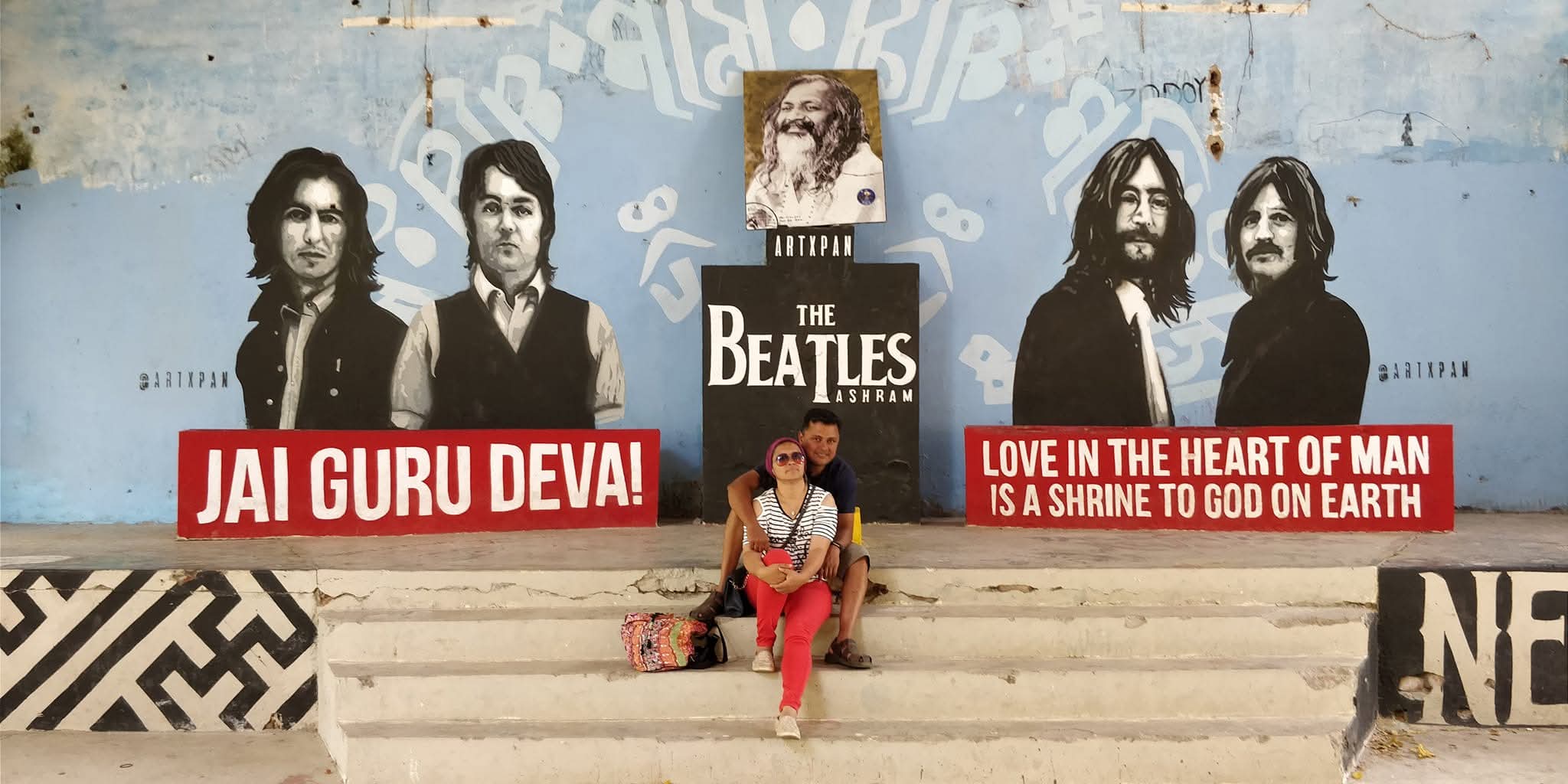
Yet, the real magic wasn’t in the apps. It was in the people. Despite the language barrier, I found that genuine connection required no translation. Music, dance, a heartfelt smile, and an open spirit became my universal vocabulary. In those shared moments, words felt almost unnecessary.

The Mithun Da Magic

Over and over, a delightful pattern emerged: A simple “Hello,” followed by an inquisitive “India?” A nod from me. Then, without fail – “Mithun Chakraborty!” My grin would widen: “Disco Dancer!” And suddenly, like clockwork – “I’m a Disco Dancer” and “Jimmy Jimmy” echoing in spontaneous duet, laughter ringing out in unexpected harmony.

This recurring moment baffled me at first – how was Mithun Da this famous here? Some digging revealed a gem of a story: Disco Dancer, released in the Soviet Union in 1984, wasn’t just a hit – it was a phenomenon. With 60.9 million viewers, it became the highest-grossing foreign film in the USSR that year, and one of the most successful of the entire decade. Mithun Da had crossed not just borders, but generations.

Bollywood Beats on the Streets

If proof were ever needed that music is a universal language, I found it watching Kazakh teenagers dancing to “Kala Chashma” on the street, cheered on by an impromptu crowd. No one cared about lyrics – the rhythm, the energy, the joy was enough. It united us all, effortlessly.

Dancing in the Heart of Kazakhstan

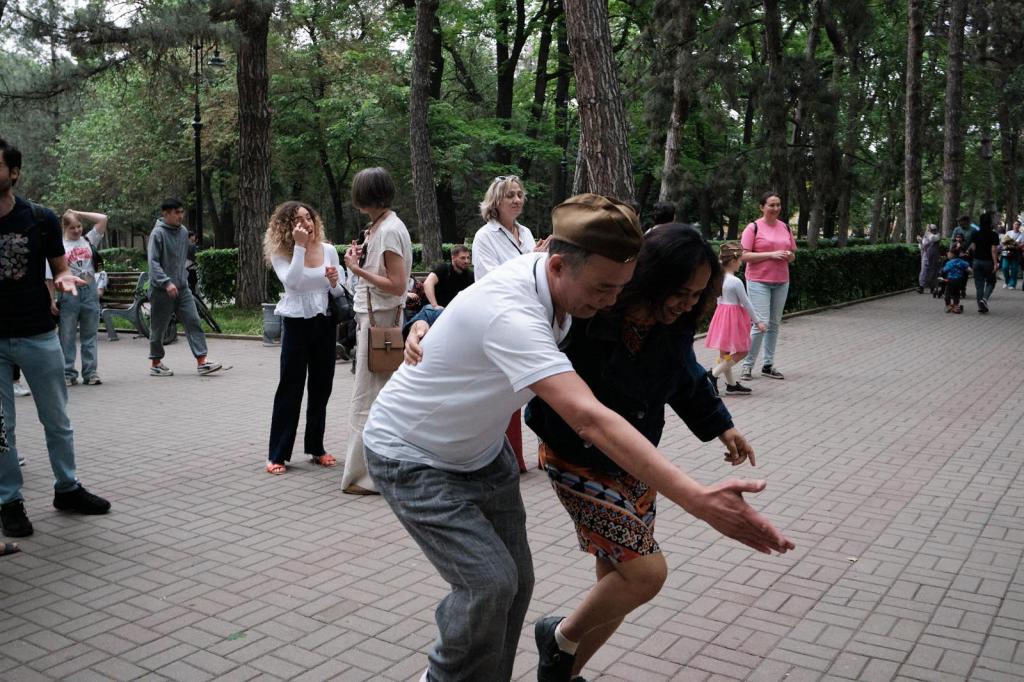
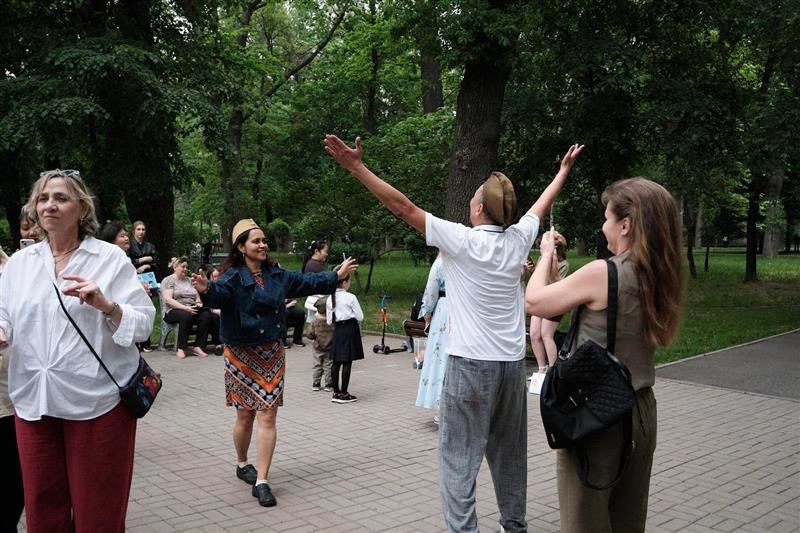
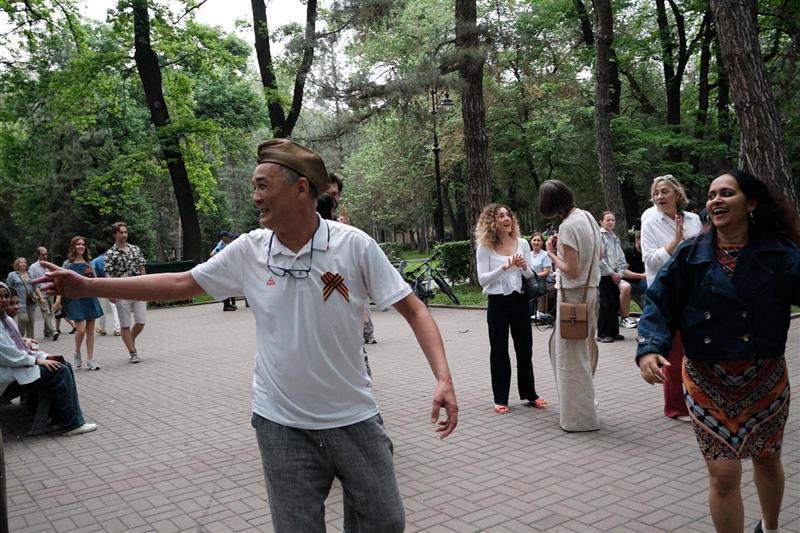
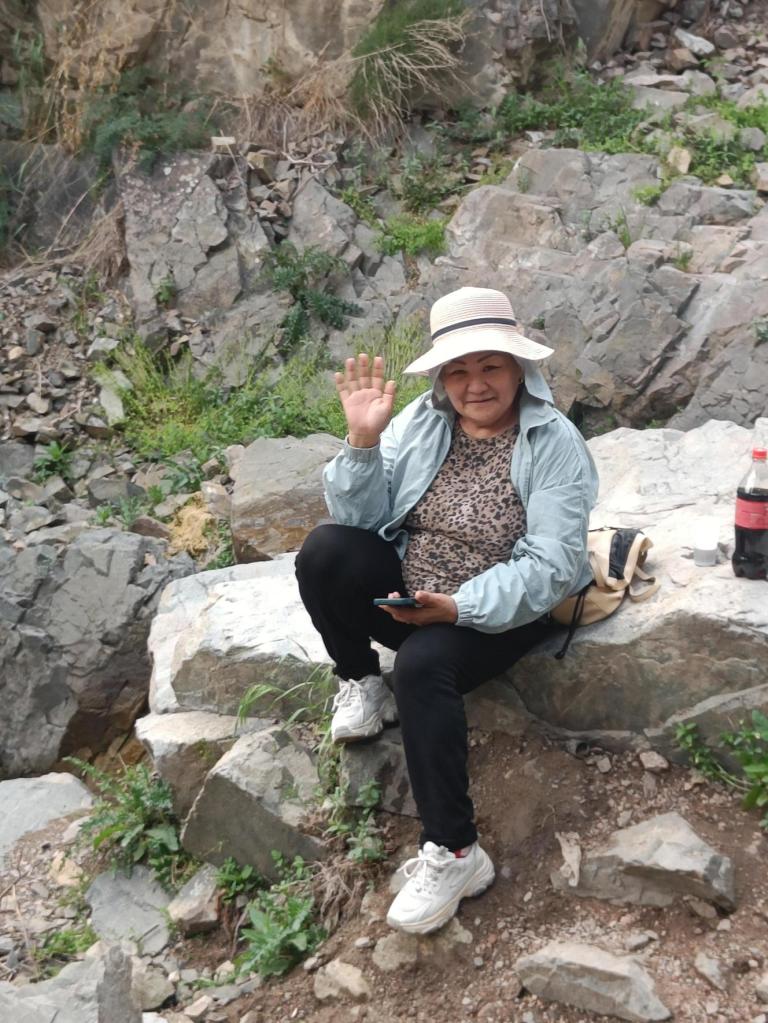
One of my most cherished memories? Dancing with locals in a public park to the vibrant pulse of Kazakh music. There we were – strangers in nationality, language, and culture – yet connected through movement and shared joy. It was raw, real, and utterly human.

A Land of Astonishing Diversity

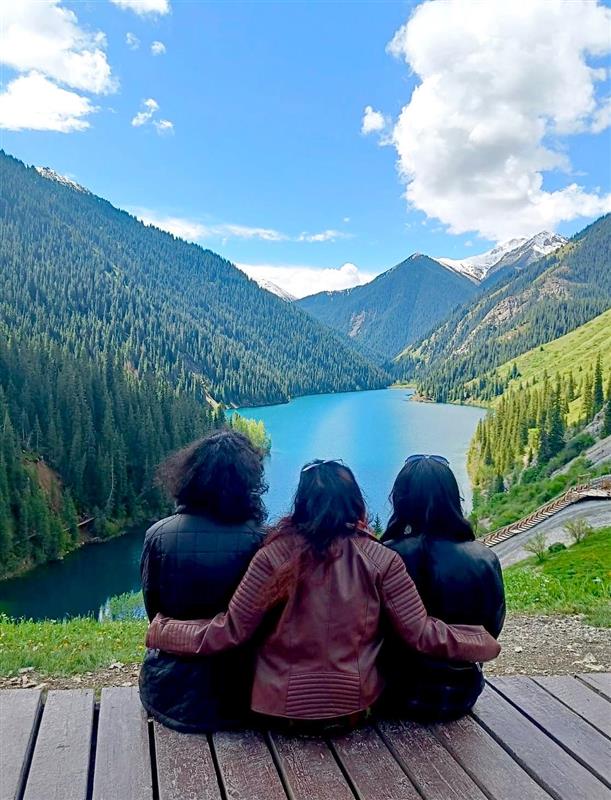
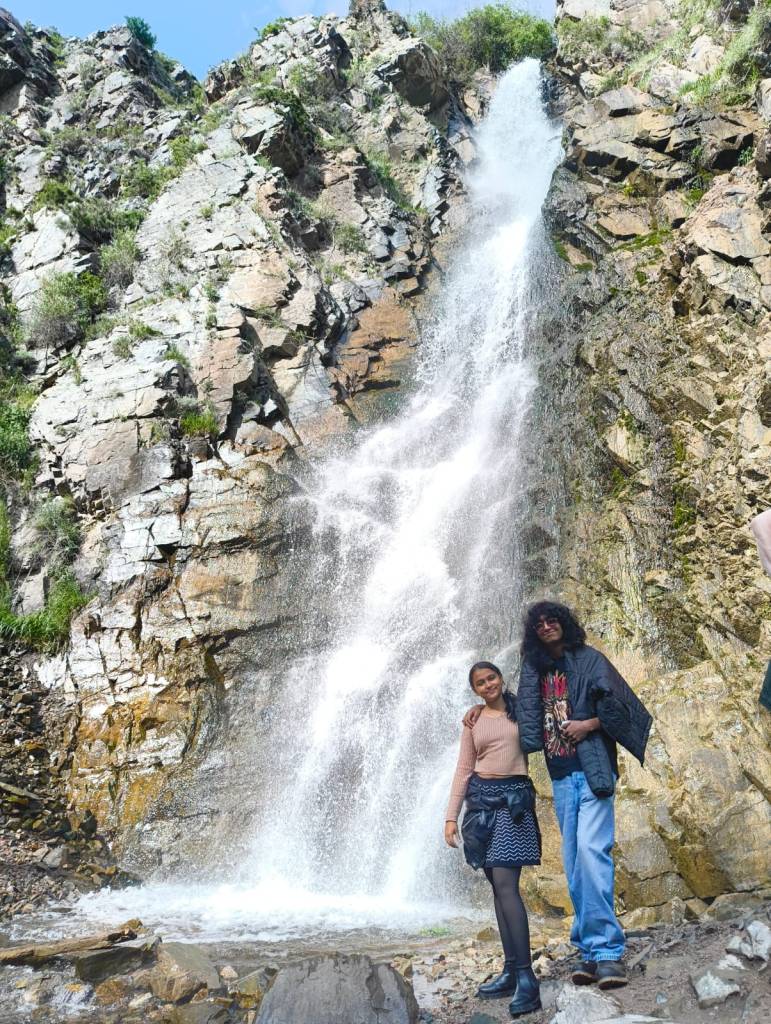
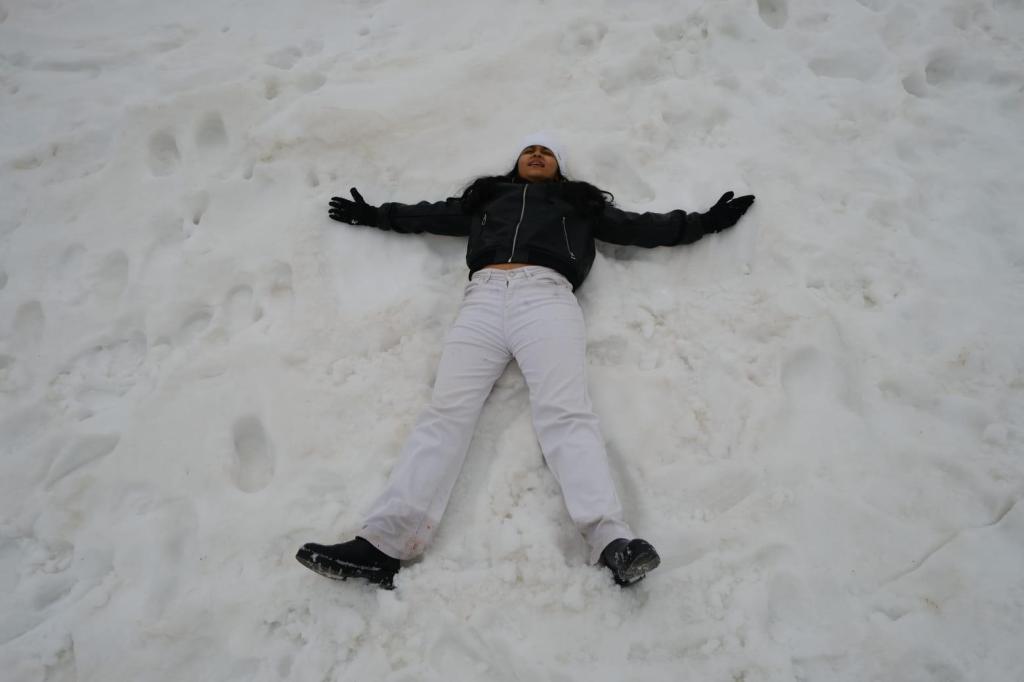
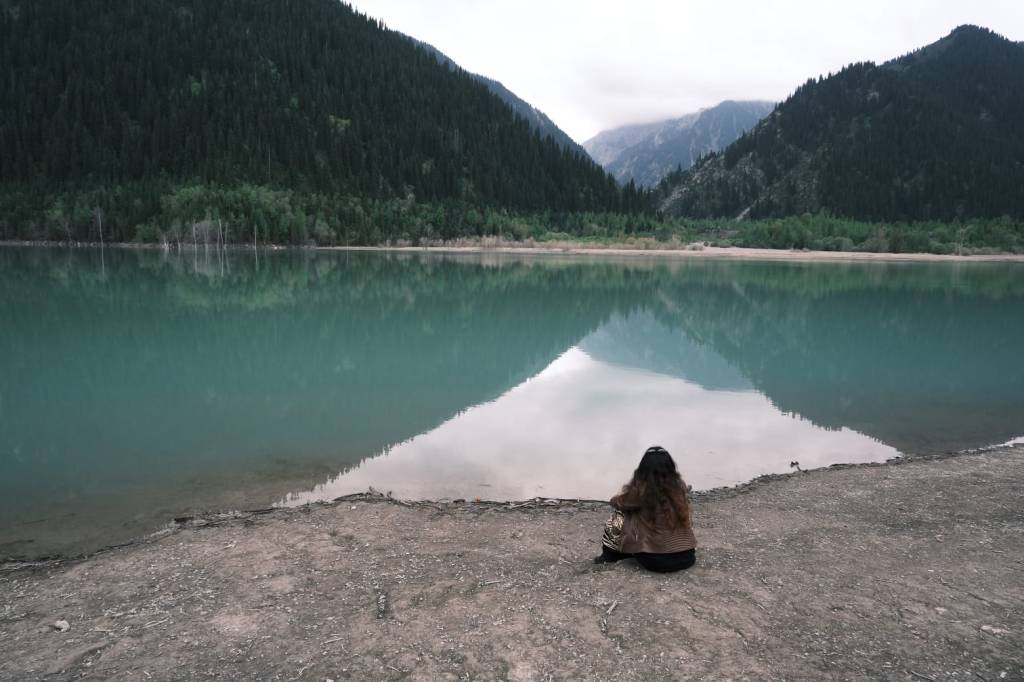
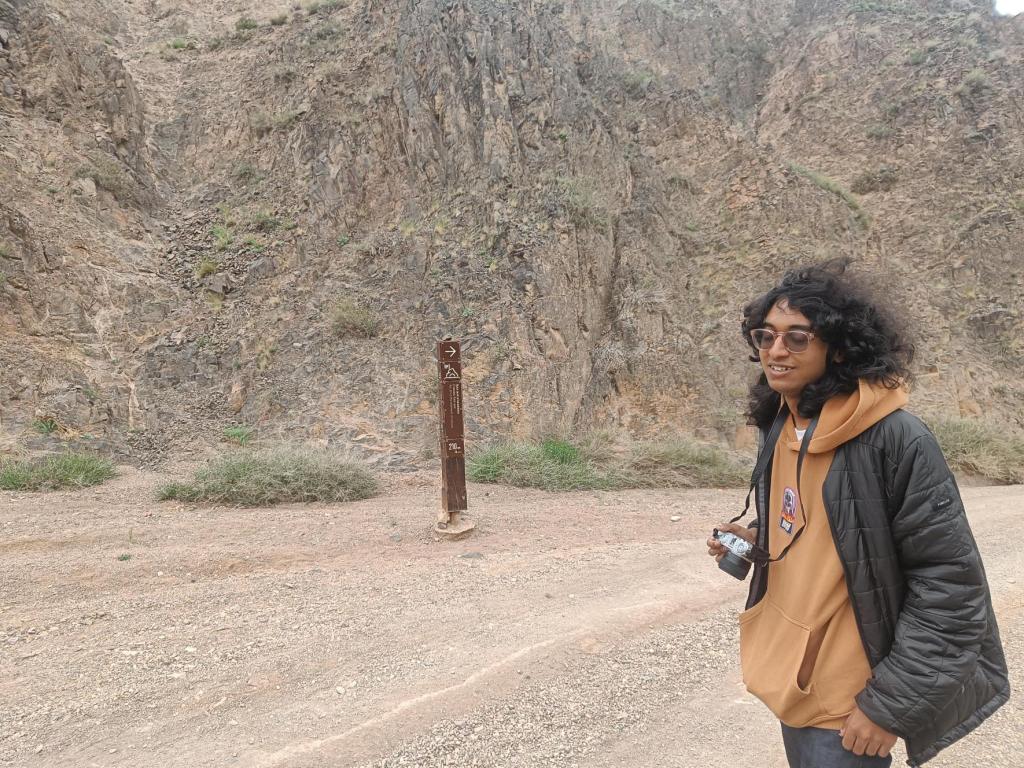
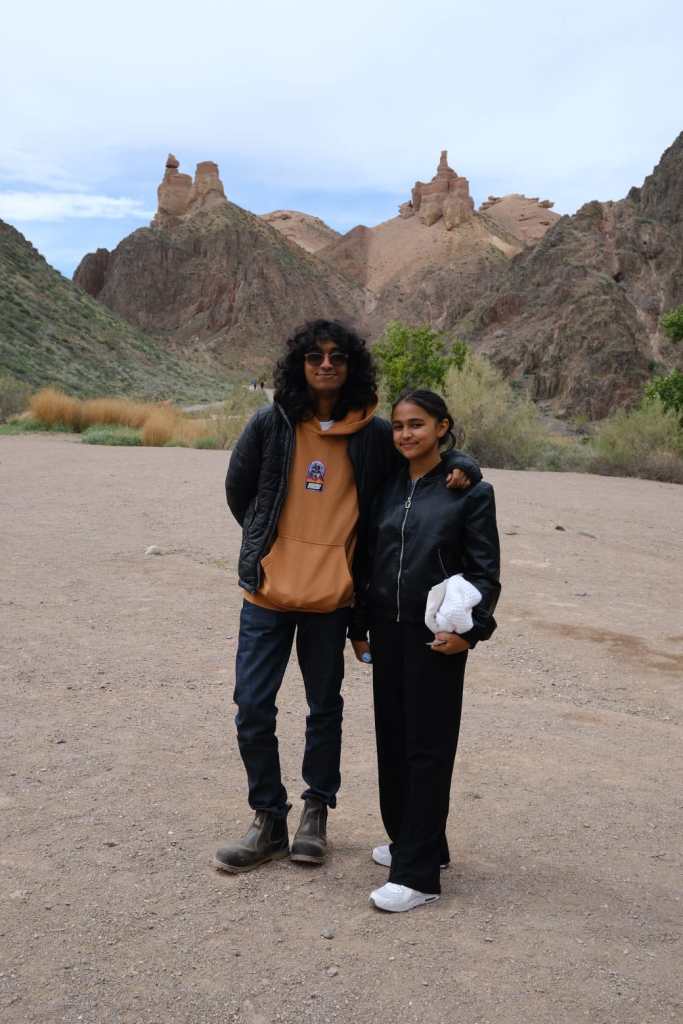
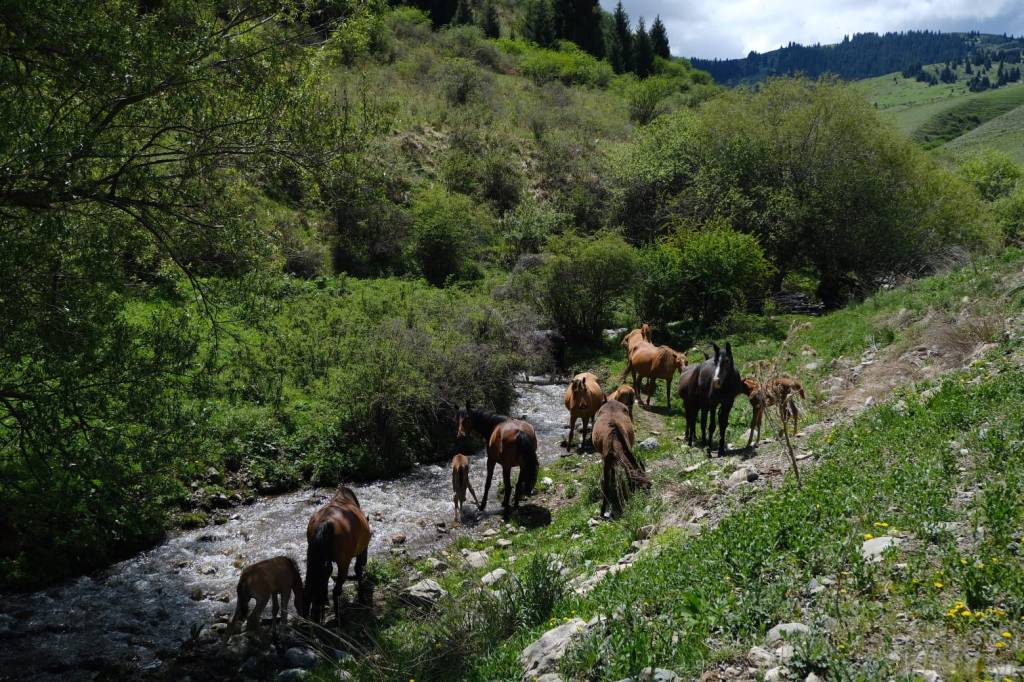
What struck me most about Kazakhstan was how quickly the landscape changed. One moment, you’d be crossing the vast, golden steppes. A few hours later, you’d find yourself amidst the dramatic canyons, alpine lakes, or the snow-capped Tien Shan mountains. It was like journeying through multiple countries in one.

This rich diversity extended to the culture too. Rooted in centuries of nomadic tradition, shaped by the Silk Road, and layered with Russian and modern global influences – Kazakhstan’s cultural identity is a vibrant, evolving mosaic.

Where the World Falls Silent

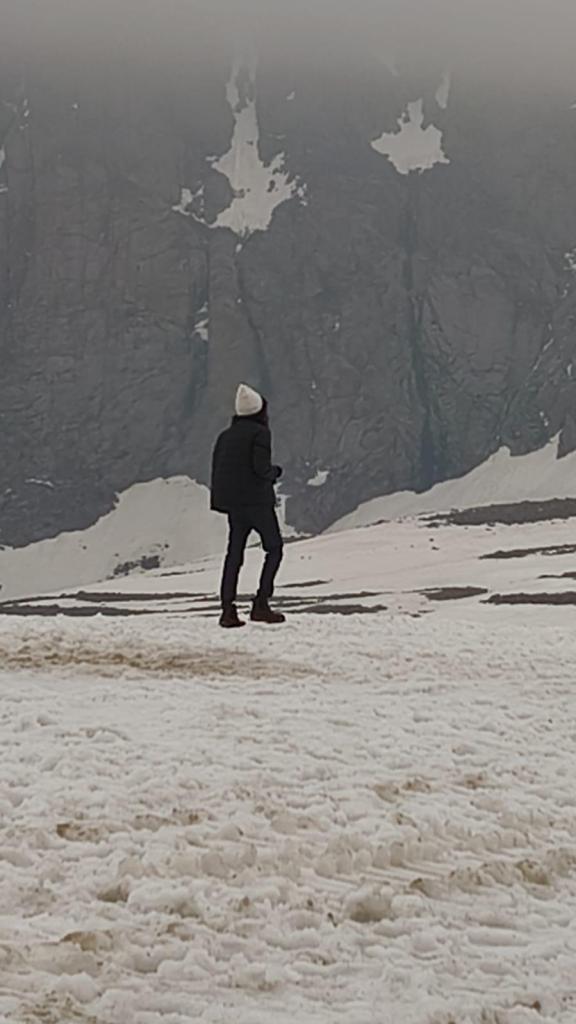
Standing in the silence of the ancient, towering mountains, I felt something rare – the awe of smallness. The kind that gently reminds you of your place in this vast universe. In those moments, the noise of everyday life quieted, and a profound stillness took its place. It wasn’t just a visual spectacle – it was a deeply introspective experience.

In those still, sweeping landscapes, time seemed to pause. The usual concerns and ambitions of everyday life felt distant, almost irrelevant. What remained was a deep, grounding stillness—a reminder that there’s a rhythm to the world far beyond our own.

These weren’t just scenic views; they were sacred pauses. A spiritual encounter with nature that offered not just beauty, but perspective.


It was a journey of discovery, not just of landscapes and culture, but of humanity, connection, and self. What started as a bucket-list dream became a soulful exploration of beauty, warmth, and shared joy.

We came back with unforgettable memories, a heart full of gratitude, and a renewed belief in the unspoken threads that tie us all together – no matter where we’re from.

Posted in Art and Poetry

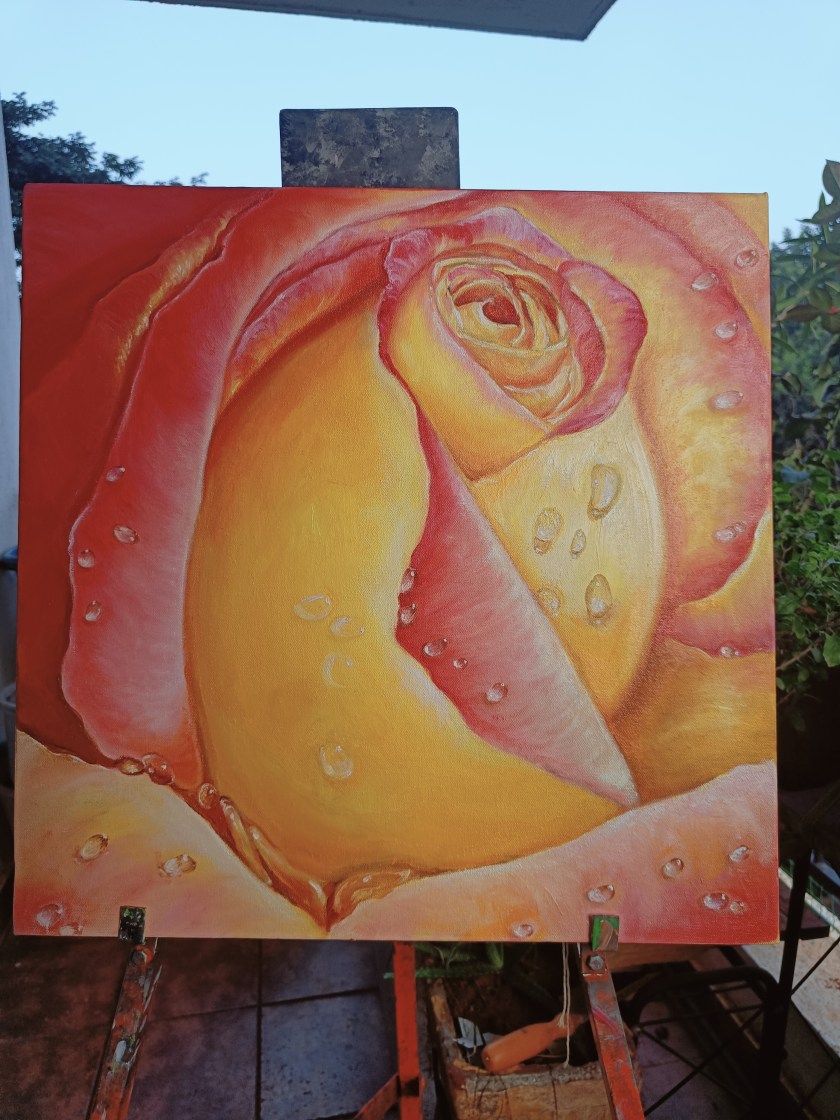
Each Dew drop is me

Each dew drop holds my soul’s surrender,

Surrendering to the moment

Surrendering to the bloom.

A moment when my whole being

turns into a dew drop,

Shimmering in light,

It is magic, it is hope.

The bloom is transient, so is the dew,

But to be fully present

in these moments of transience

Is what makes life true!

Do these drops draw you to a quiet silence?

Do they awaken a calm within you?

In that quiet grace, I find my blessing,

A moment whole, shared here with you.

Posted in Travel

The Sublime Beauty of Singapore

I am not one for the bustling cityscape; the woods and nature are my sanctuary. Yet, this time, the children’s desires led us to plan a trip to Singapore. I wondered, will it be a captivating adventure or merely a tourist trap?

With my travel read “40 Rules of Love” by Turkish female author Elif Shafak I anyway planned to explore the not so touristy, the soul of the city!

“No matter what your destination, just be sure to make every journey a journey within.” – 40 Rules of Love

Each morning, as my teens slept peacefully, I cherished my solitary strolls through the neighbourhood streets, immersing myself in the rhythm of Singaporean mornings. The nearby hawker centres became my favourite spots, where I’d savour a cup of coffee while watching the locals grab their breakfast and rush off to start their day..

Exploring the multi cultural streets of the city

We explored the streets of Singapore by foot, well we walked daily quite a bit! The multi cultural soul of the city was very clear on its streets from Haji lane to China Town you feel as if you’ve travelled across continents, experiencing the unique blend of customs, music, art, and architecture that each culture brings. This rich diversity gave a sense of shared humanity, where the differences are celebrated, and the commonalities are cherished.

The multicultural tapestry enriched the city’s character, making it an ever-evolving mosaic of human expression.

Haji Lane was undoubtedly my favorite, bursting with quirkiness at every turn. The vibrant cafes, eclectic boutique shops, striking wall murals, and lively music, joint with a bustling crowd, made it a treasure trove of creativity and energy. Just next to Haji Lane lies Arab Street, where Middle Eastern cuisines, the majestic Sultan Mosque, and shops brimming with Turkish crafts create an exotic ambiance.

Our exploration continued to Chinatown, where the touristy-ness of the Buddhist temple made us step out quickly but the lively markets, and delicious street food enchanted us. At the end of Pagoda Street, we discovered the Sri Mariamman Temple, the city’s oldest Hindu temple, built in 1827.

Walking these streets, we saw the harmonious acceptance and celebration of the diverse cultures of various immigrant populations who now proudly call this country home.

Reflecting at the City scape at Night

The nocturnal landscape was both grand and intimate, captivates and inspires, revealing a different yet equally beautiful facet of the city. The serene reflection of lights on the river, painted a breath taking picture that left me in awe. Stood their spellbound for a while taking it all in.

It humbles you down yet makes you feel proud of the human collective imagination at the same time.

Soaking up the Green scape of Singapore

It takes deliberate and conscious effort to keep one of the most densely populated cities green and sustainable. It is a national agenda for Singapore. Singapore Green Plan 2030 charts ambitious and concrete targets to advance Singapore’s national agenda on sustainable development.

From its origins as a lush rainforest island, transformed by human enterprise, Singapore now seeks to reclaim and rekindle its verdant spirit. It’s time to weave the essence of the rainforest back into the vibrant tapestry of this bustling metropolis!

Discovering Singapore’s Flavours

Local Hawker centres are the best places to sample local food in Singapore and there are a ton! We loved the Kaya toasts for breakfast made with toasted bread, coconut jam, and butter. Singapore spoils you for the fresh sea food options with one not to miss trying Chilli Crab and many more. Thanks to my college friends who are very much Singaporean locals now for sending me a list of must try cuisines and also taking the time on a busy rainy workday evening to meet and making sure I don’t leave Singapore without trying “The Chilli Crab” 🙂

It was also interesting to see how reducing sugar in diets of the people becomes a national priority and steps like Nutri Grade labels on beverages becomes a good example on how big beverage companies are forced to reduce their sugar levels and people can make informed choices. Like any teen mom, I gleefully pointed out the Nutri-Grade “D” on Coke whenever the kids wanted one. Instead, we usually chose the Fresh Orange Juice vending machines, which were conveniently scattered all over the city.

Art You Can Be – Immersing in Art

We usually walk into a art museum with a spectator mindset to be moved by a piece of art. The experiential Art Science Museum lets you be part of the art, immerse in the art narrative and feel. For some moments the boundaries between observer and the art dissolved and it was indeed an experience! The art was felt or I felt what was me deep within – well everything was one and the same thing!

Wrapping up “40 Rules of Love” by the end of our trip, I found it challenging to step away from the entrancing realm of Rumi and Shams. We returned home with a collection of wonderful memories!

Posted in Travel

Time Traveling through the Latin Quarters of Goa


When you think of Goa, images of beaches, seafood, and vibrant parties often comes to mind. However, if you’re seeking a unique experience that transports you back to the Portuguese colonial era, consider staying at Fontainhas. Known as Asia’s only Latin Quarters and now a UNESCO Heritage site, Fontainhas offers a glimpse into the unadultrated Portugese influence.


Everywhere you turn, you’re greeted by cobalt blue, red brick, and Ochre coloured houses, interspersed with tropical flowers and cobbled streets. It’s as if you’ve been transported effortlessly to a bygone era! You should just stay here and slowly absorb it all.


We embarked on a captivating half-day cultural walk of Fontainhas with MakeitHappen, a journey highly recommended for the insightful historical nuances and cultural stories they share along the way. Also happen to meet some wonderful travellers who have their own beautiful stories like how we met a couple from South Africa in search of their roots!


Pausing at Confeitaria 31 de Janeiro, one of Goa’s oldest bakeries dating back to the 1930s, evokes a sense of vintage charm. Don’t miss the opportunity to indulge in their delectable Bebinca and other delights. Well we went their many times post our first visit!

The walk concluded with the delightful addition of live local music leaving us humming Oh Maria Pitache ..Oh Maria Pitache as we walked back to our stay!

There is a lot of artistic cafes and bakeries to explore by foot. One of our favourites was Cafe Bodega atop Altinho hill, an old, restored beautiful blue heritage mansion with an art gallery to explore as well.

Another one was a very cute tea room called TeaTrunk, that’s housed in a 100-year-old Portuguese casa.

Before bidding adieu, be sure to acquire an Azulejos hand-painted tile, a distinctive emblem of Goan heritage, particularly an art work of renowned Mario Miranda. For these one-of-a-kind Goan souvenirs, look no further than Marcou Artifacts store, at Fountainhas.

Well a word of caution : Don’t get overwhelmed to see Instagram Influencers and travellers flocking in to just to take Insta worthy pictures on the colourful streets during the day and leave.

But if you slow down and linger there is much beyond to savour and take back home.

Posted in Travel

Pelling – The Royalty & Spiritual Interwoven Travel Experience

Travel to Pelling, West Sikkim was to soak in, the sun rising on the Majestic Mt Kanchenjunga each morning turning it into pure gold! This view was one of the best experience staying at Elgin Mount Pandim  a heritage retreat steeped in history. Originally built by the King of Sikkim, this magnificent property served as a royal retreat for the esteemed Royal Family of Sikkim.


It wasn’t merely about immersing oneself in the invigorating scent of acres of pine forest or witnessing the sunrise paint Mt. Kanchenjunga with its golden hues while savouring freshly brewed local tea. It was also about delving into the rich tapestry of history and antiquity that this stay had to offer!

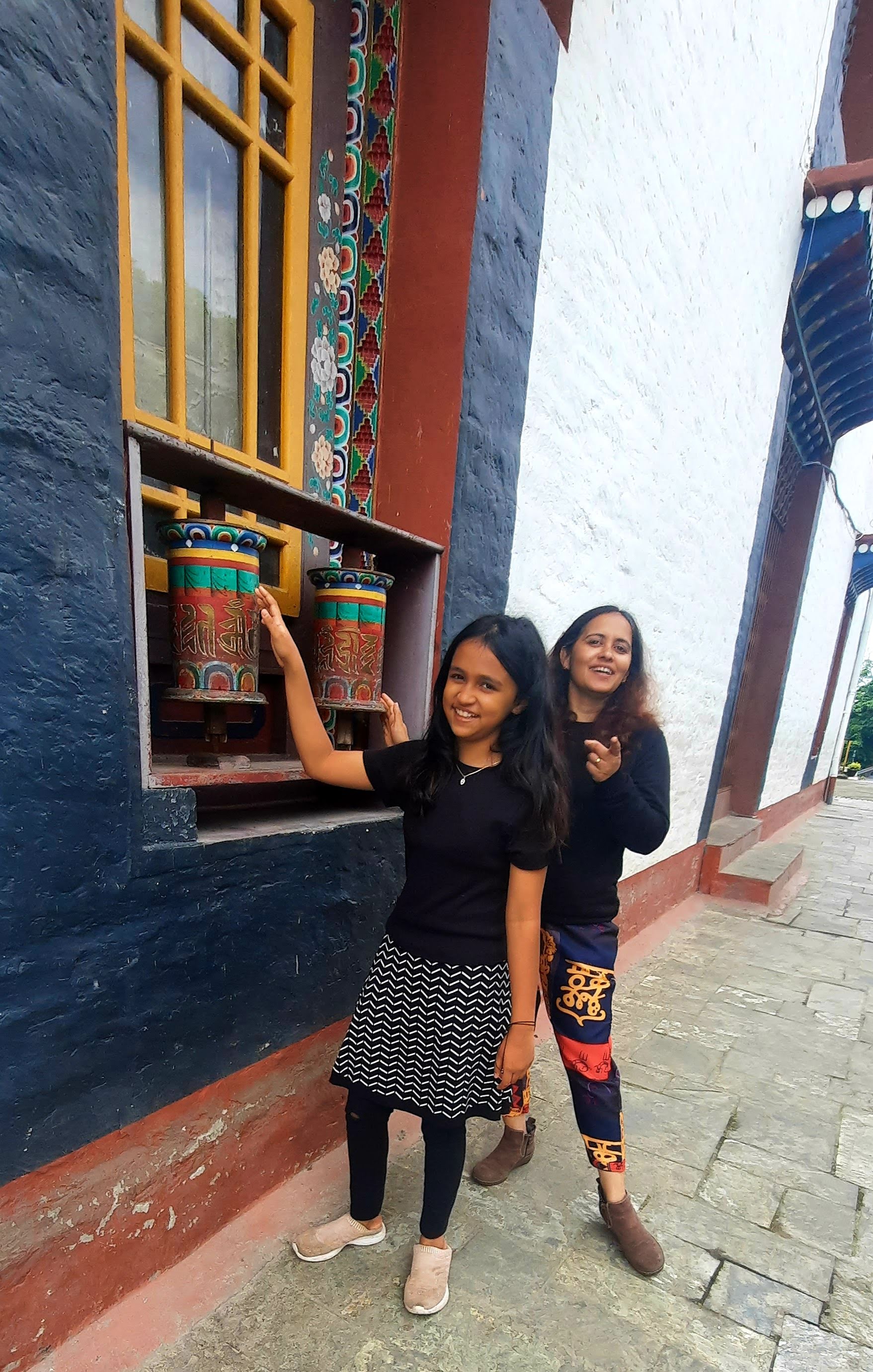
Directly across from this stunning heritage accommodation stands the Pemayangtse Monastery, one of the oldest Buddhist monasteries in the region. Constructed specifically for “pure monks” (ta-tshang), denoting monks of unadulterated Tibetan lineage, the monastery bears the name Pemayangtse, which translates to “Perfect Sublime Lotus”. Beyond its historical significance, the monastery offers a serene environment ideal for meditation and introspection, inviting visitors to simply be in the moment.Just be!!!

I would just sit there quietly meditating as the monks chanted, I looked forward to being there during their chanting session as the energy is truly elevated. A family travel group from Kolkota asked me if I was a monk at the monastery 🙂 It was a pain to see tourist roaming around inside the prayer room while the chant is going on. It made me ponder the monks’ ability to remain unaffected by such disturbances, realizing that perhaps I still have much to learn in my own journey of inner peace and mindfulness.


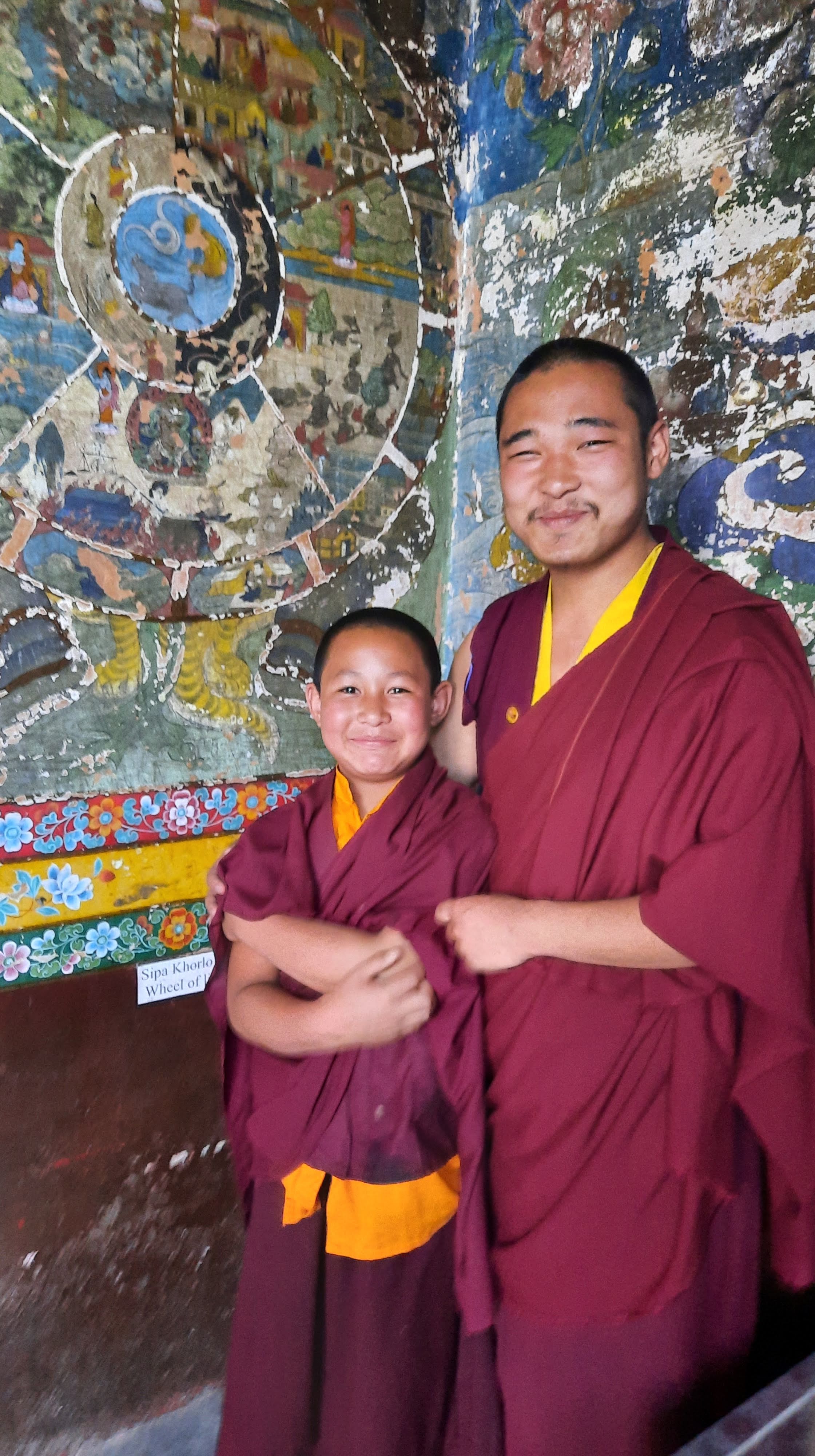
I encountered young children who had left their homes behind to embrace the life of a monk. Curious enough, I engaged in conversation with them and realized despite their monkhood, they remained true to their childlike nature, loving soccer, and their smiles radiating warmth and joy.

And the icing on the cake were the two friendly Samoyed dogs at Elgin Mount. Kids just spent hours with them.


Our return journey from Pelling was not marked by souvenirs, but rather by the intangible treasures of love, peace, and joy. A slow journey inwards.

Posted in Art and Poetry

Dandelion Child

Oh Dandelion child of mine

Resilience & Beauty intertwined.

Blown by the wind,

Swept by the rain.

You will still hold on

Never going insane.

Deeply rooted in love & hope

When crushed you will bounce back and cope.

You are pretty, you are wild,

You keep smiling rain or shine.

Oh Dandelion child of mine!